

Introduction
What Are Pediatric Dental X-Rays?

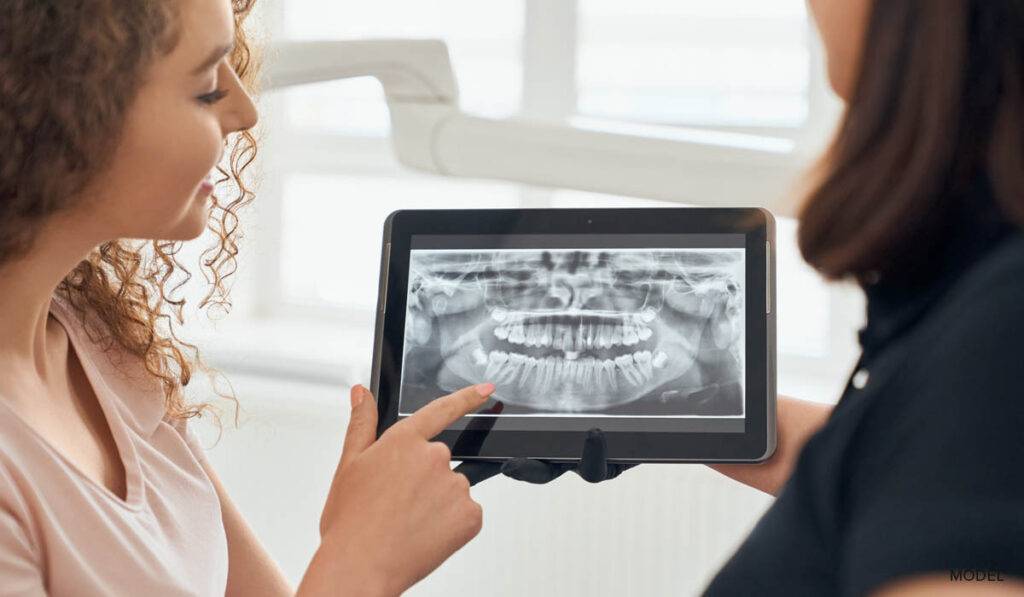
Dental X-rays (radiographs) are images taken to help dentists see parts of the teeth and jaw that are not visible during a regular exam. They provide valuable information about tooth development, alignment, cavities, and potential issues beneath the gums.
Are Dental X-Rays Safe for Kids?
Yes! Dental X-rays are considered safe for children when performed by a trained pediatric dentist using modern equipment. Today’s digital X-rays use up to 90% less radiation than traditional film X-rays, making them a low-risk diagnostic tool.
Safety Measures Taken for Pediatric X-Rays:
- Minimal Radiation Exposure: Dentists use the lowest possible radiation dose.
- Protective Shields: Lead aprons and thyroid collars protect the child’s body from unnecessary exposure.
- Digital X-Rays: Many dental offices use digital imaging, which requires significantly less radiation.
The amount of radiation in a dental X-ray is comparable to the natural radiation a person is exposed to from daily activities like flying on an airplane or spending time in the sun.
Why Are Dental X-Rays Important for Children?
Since children’s teeth and jaws are constantly developing, X-rays play a key role in preventive dental care. They help dentists:
- Detect cavities before they become severe.
- Monitor the growth and alignment of permanent teeth.
- Identify missing or extra teeth.
- Assess potential jaw or bite issues.
- Check for infections or bone abnormalities.
Early detection of dental problems can save time, money, and discomfort in the long run.
It's always better to start them on easier books, because then they feel successful, and that spurs them on, so they'll read more.
John Doe Tweet
How Often Do Kids Need Dental X-Rays?
The frequency of X-rays depends on your child’s oral health needs. The American Academy of Pediatric Dentistry (AAPD) provides general guidelines:
- Low-risk children (healthy teeth, no history of cavities): X-rays may be taken every 1-2 years.
- Higher-risk children (prone to cavities or orthodontic concerns): X-rays may be needed every 6-12 months.
- First dental visit: X-rays are usually taken if cavities are suspected or to check tooth development.
Your child’s dentist will determine the right schedule based on their individual needs.
Types of Pediatric Dental X-Rays
- Bitewing X-Rays: Show the back teeth and detect cavities between them.
- Periapical X-Rays: Provide a close-up of one or two teeth, including the roots.
- Panoramic X-Rays: Capture the entire mouth in one image, useful for monitoring growth and orthodontic needs.
- Occlusal X-Rays: Focus on the front teeth and help detect abnormalities in younger children.
Recent Posts
- How Pediatric Dentistry Prevents Cavities Before They Start
- Why Morning and Night Teeth Cleaning Require Different Techniques
- The Exact 4 Foods To Remove For Maximum Cavity Prevention For Children By Age 7
- The Unexpected Link Between Snacks and Your Child’s Dental Care
- Discover pediatric dental care secrets to avoid early tooth problems
They will also write short, simple sentences such as “The cat ran home.” Keep a special box or bin at home filled with writing materials (crayons, pencils, markers, paper, and notepads) so your child can practice writing simple sentences about special things he’s done or seen during the day. Ask about what he’s written, and have him read it aloud. Offer encouragement by displaying his writings on the refrigerator or on her bedroom wall.
Help your child understand the concept of time by saying what time it is during routine activities. Use and explain words like morning, noon, night, yesterday, today, and tomorrow. Make a timeline together showing a typical day, with drawings of regular events and the time of day written beneath each one.