
Introduction
As parents, we want our children to grow up happy, healthy, and full of confidence. One key part of their overall well-being is oral health. Pediatric dental care plays a crucial role in ensuring a strong foundation for a lifetime of healthy smiles. But when should your child first visit the dentist? How can you prevent cavities? And what are the best ways to care for their teeth at home? This guide answers all your questions about keeping your child’s smile bright and healthy.
When Should a Child First Visit the Dentist?

It's always better to start them on easier books, because then they feel successful, and that spurs them on, so they'll read more.
John Doe Tweet
Why Baby Teeth Matter
Since baby teeth eventually fall out, some parents assume they don’t require much attention. However, these primary teeth serve essential functions, including:
- Helping with proper chewing and digestion
- Aiding speech development
- Holding space for permanent teeth to grow in correctly
- Building self-confidence with a bright smile
Neglecting baby teeth can lead to cavities, infections, and even impact the health of adult teeth. That’s why early oral care is so important!
Establishing Good Oral Hygiene Habits
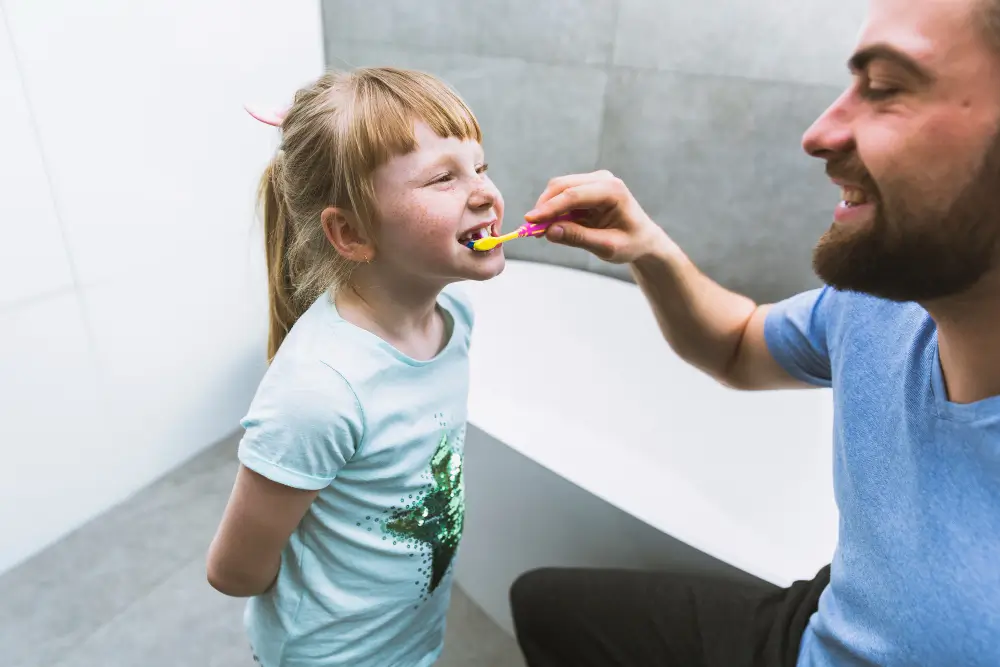
Proper dental care starts at home. Here are some simple yet effective ways to keep your child’s teeth clean and healthy:
Brushing and Flossing Tips:
- Begin brushing your child’s teeth as soon as the first tooth appears.
- Use a small, soft-bristled toothbrush and a smear of fluoride toothpaste (for children under 3). After age 3, use a pea-sized amount.
- Encourage brushing for at least two minutes, twice a day.
- Floss daily once teeth begin touching each other.
- Make oral care fun by using colorful toothbrushes, playing music, or using brushing apps.
Common Pediatric Dental Issues & Prevention
Cavities
Tooth decay is one of the most common childhood diseases. Prevent cavities by:
- Limiting sugary snacks and drinks, especially before bedtime.
- Encouraging water over juice or soda.
- Brushing with fluoride toothpaste and considering fluoride treatments.
Thumb Sucking & Pacifiers
While common in infants, prolonged thumb sucking and pacifier use can lead to misaligned teeth and bite issues. Most children stop on their own, but if the habit persists beyond age 3, consult your dentist for advice.
Teething Discomfort
Teething can be tough on babies (and parents!). Help soothe sore gums by:
- Offering a chilled (not frozen) teething ring.
- Gently massaging gums with a clean finger.
- Avoiding teething gels with benzocaine, as they can be harmful.
The Importance of Regular Dental Checkups
Routine dental visits are essential for monitoring your child’s oral health and catching potential issues early. At a typical visit, your pediatric dentist will:
- Check for cavities, gum health, and proper tooth development.
- Provide a professional cleaning to remove plaque buildup.
- Offer fluoride treatments or sealants for cavity prevention.
- Give guidance on proper brushing and flossing techniques.
Nutrition & Dental Health
What your child eats directly affects their oral health. Here are some tooth-friendly dietary habits:
Best Foods for Strong Teeth:
- Dairy products like milk, cheese, and yogurt (rich in calcium).
- Crunchy fruits and vegetables (apples, carrots, celery) to stimulate saliva and clean teeth naturally.
- Nuts and lean proteins that support enamel strength.
Foods to Limit:
- Sticky candies, gummies, and fruit snacks that cling to teeth.
- Sugary beverages like soda, juice, and sports drinks.
- Starchy foods like chips and crackers that turn into sugar in the mouth.
Encourage drinking water throughout the day to rinse away food particles and keep teeth strong.
Recent Posts
- How Pediatric Dentistry Prevents Cavities Before They Start
- Why Morning and Night Teeth Cleaning Require Different Techniques
- The Exact 4 Foods To Remove For Maximum Cavity Prevention For Children By Age 7
- The Unexpected Link Between Snacks and Your Child’s Dental Care
- Discover pediatric dental care secrets to avoid early tooth problems
They will also write short, simple sentences such as “The cat ran home.” Keep a special box or bin at home filled with writing materials (crayons, pencils, markers, paper, and notepads) so your child can practice writing simple sentences about special things he’s done or seen during the day. Ask about what he’s written, and have him read it aloud. Offer encouragement by displaying his writings on the refrigerator or on her bedroom wall.
Help your child understand the concept of time by saying what time it is during routine activities. Use and explain words like morning, noon, night, yesterday, today, and tomorrow. Make a timeline together showing a typical day, with drawings of regular events and the time of day written beneath each one.