
Introduction
Why Professional Teeth Cleaning is Important for Kids
1. Prevents Cavities and Tooth Decay
Even with good at-home brushing, plaque and tartar can build up over time. Professional cleanings remove these harmful substances, reducing the risk of cavities and decay.
2. Removes Plaque and Tartar Buildup
Plaque is a sticky film of bacteria that can harden into tartar if not removed. Tartar cannot be removed with regular brushing and requires special dental tools to clean effectively.
3. Encourages Healthy Gum Development
Gum disease isn’t just an adult problem—children can develop gum inflammation (gingivitis) too. Professional cleanings help prevent gum disease by keeping their gums healthy and free from bacteria.
4. Helps with Early Detection of Dental Issues
Routine check-ups and cleanings allow dentists to spot potential problems, such as cavities, misaligned teeth, or signs of orthodontic concerns, before they become serious.
5. Promotes Good Oral Hygiene Habits
Regular visits to the dentist reinforce the importance of oral hygiene, helping children develop lifelong habits that keep their smiles healthy.
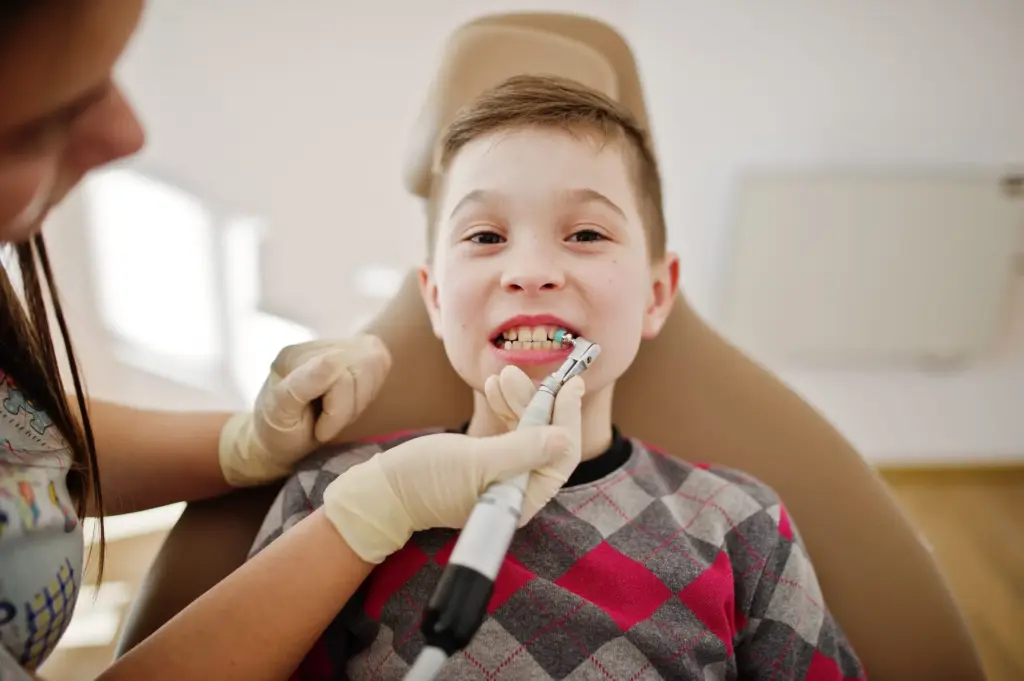
What Happens During a Child’s Teeth Cleaning?
- Dental Examination: The dentist checks for cavities, plaque buildup, and signs of gum disease.
- Plaque & Tartar Removal: A dental hygienist uses special tools to remove plaque and tartar.
- Teeth Polishing: Teeth are polished to remove stains and smooth the surface, making it harder for plaque to build up.
- Fluoride Treatment (if needed): Fluoride helps strengthen enamel and protect against cavities.
- Oral Hygiene Tips: The dentist or hygienist provides guidance on proper brushing, flossing, and diet to maintain oral health at home.
How Often Should Kids Get Their Teeth Cleaned?
It's always better to start them on easier books, because then they feel successful, and that spurs them on, so they'll read more.
John Doe Tweet
How to Make Dental Cleanings Fun for Kids
Some children may feel nervous about visiting the dentist, but here are some ways to make it a positive experience:
- Start early: The earlier kids get used to dental visits, the more comfortable they’ll be.
- Use positive language: Avoid words like “pain” or “drill” and instead talk about how the dentist “counts and cleans teeth.”
- Let them bring a favorite toy: Having a comfort item can help ease anxiety.
- Reward them afterward: A small reward or praise can make them feel proud of taking care of their teeth.
Recent Posts
- How Pediatric Dentistry Prevents Cavities Before They Start
- Why Morning and Night Teeth Cleaning Require Different Techniques
- The Exact 4 Foods To Remove For Maximum Cavity Prevention For Children By Age 7
- The Unexpected Link Between Snacks and Your Child’s Dental Care
- Discover pediatric dental care secrets to avoid early tooth problems
They will also write short, simple sentences such as “The cat ran home.” Keep a special box or bin at home filled with writing materials (crayons, pencils, markers, paper, and notepads) so your child can practice writing simple sentences about special things he’s done or seen during the day. Ask about what he’s written, and have him read it aloud. Offer encouragement by displaying his writings on the refrigerator or on her bedroom wall.
Help your child understand the concept of time by saying what time it is during routine activities. Use and explain words like morning, noon, night, yesterday, today, and tomorrow. Make a timeline together showing a typical day, with drawings of regular events and the time of day written beneath each one.